A Crunchbase article from earlier this summer claimed “EdTech has not hit bottom”, a response to YTD 2024 EdTech funding reverting far below pre-pandemic levels, at around $1B.
Crunchbase is not the only pessimist in the room – many investors have declared a fall-off for the sector. But more evidence is needed before reaching a verdict.
The 2021 funding levels in EdTech represented an irrational deviation from the norm, driven by a few key factors.
- VC Dollars Flooded Every Market: Not just EdTech. Venture capitalists bid up the prices on everything in the immediate aftermath of the pandemic, and none of it proved sustainable. The following year saw a drastic fall off in funding, venture is still recovering. 2021 was a masterclass in market exuberance.
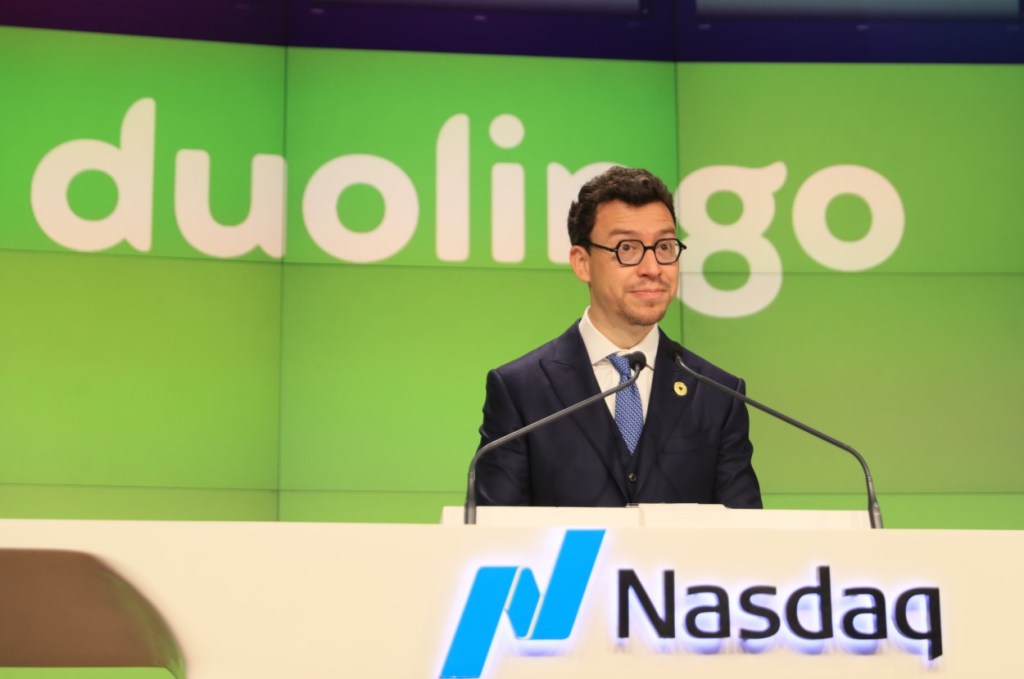
- EdTech IPO Exits: Duolingo, Coursera, and Udemy all went public in 2021, leading to increased activity in the growth stage. Activity increased in the seed stage as well, but the growth stage uptick is responsible for a large chunk of the funding in 2021 considering the larger ticket sizes for later stage.
- Pandemic Accelerated Digital Education: Investors took a snapshot of what happened during the pandemic when students were forced to learn from their bedrooms and deployed a lot of capital to startups that saw decline once students fully returned to the classroom.
EdTech is not dead, but it is about to undergo a significant shift.
The usual learning platforms that got investors excited from 2015-2020 are not going to be the outlier outcomes of the next decade plus. A higher level of innovation is required, and founders will need to tackle bigger issues such as rising college costs, job dissatisfaction, and alternative learning models.
A great example of a startup doing that today is Primer Schools. It’s no surprise that a platform like this is able to raise money from Tier 1 investors in a drought.
EdTech is not dead; it’s being reborn.
 The Business of Investing
Leave a comment